Brand-level reporting, analyzed your way
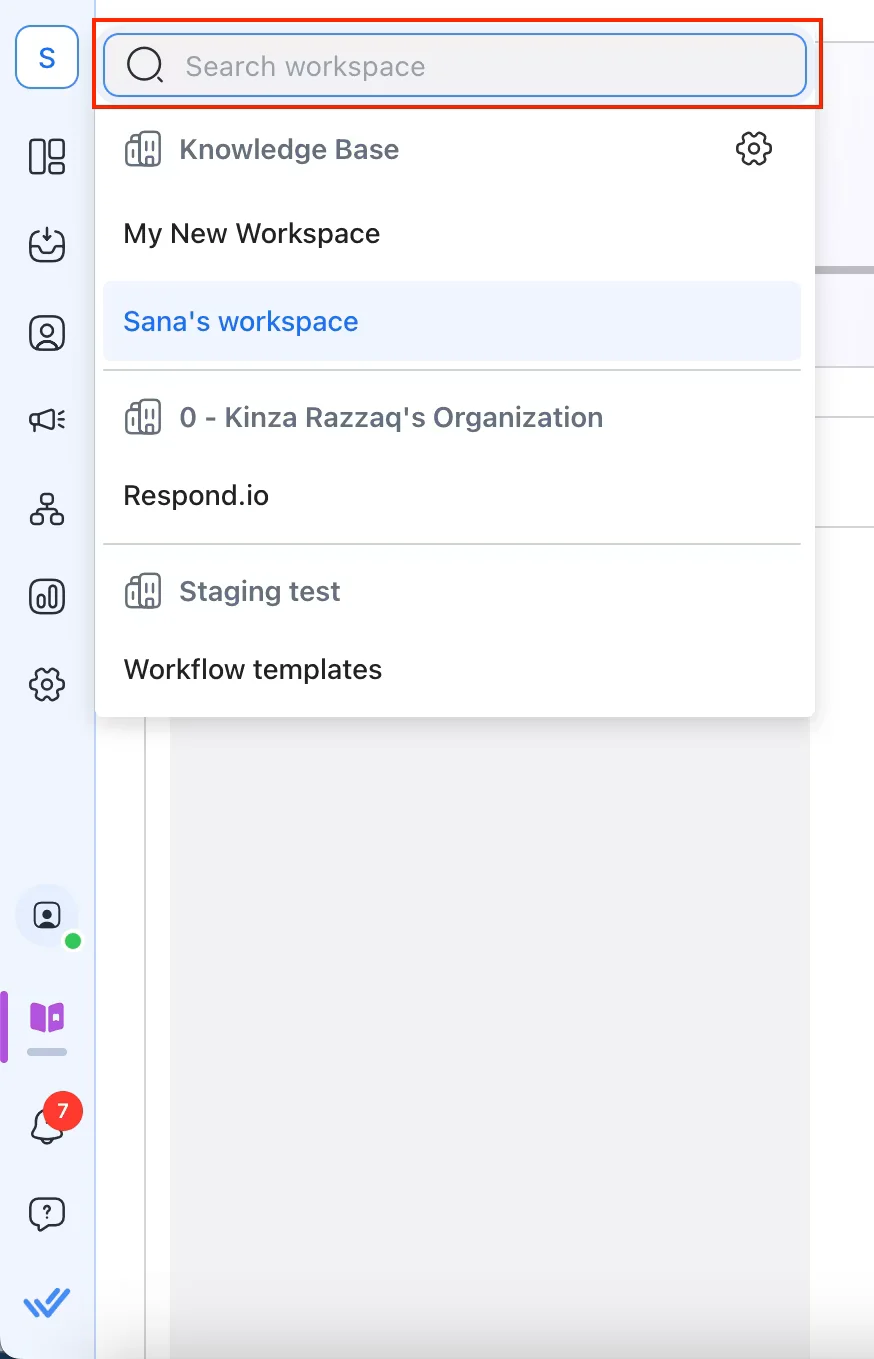
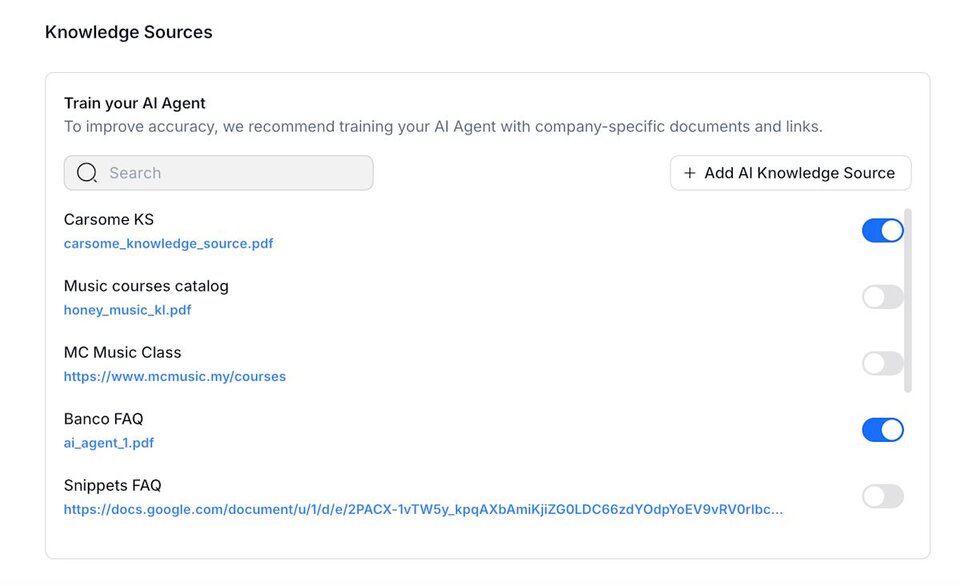
Each workspace has its own reporting dashboard covering response times, conversion rates, agent performance, and lifecycle progression. Managers with access to multiple workspaces switch between dashboards to compare brand performance. For deeper cross-brand analysis — comparing conversion rates across three brands, for example — data can be exported and analyzed externally. The advantage over separate tools is that each brand's data is structured, clean, and consistent, making that comparison reliable rather than a reconciliation exercise.
When respond.io is not the right fit for multi-brand operations
Respond.io's multi-workspace architecture adds value when mid-market B2C brands need operational separation with unified management. It is not the right fit in three situations.
Low conversation volume across all brands
If your total conversation volume across all brands is under a few hundred per month, the platform's depth exceeds what you need. Workspace separation, AI Agent training and workflow configuration require upfront investment that pays off at scale but may not justify the effort at lower volumes.
Cold outreach as the primary use case
If cold outreach is the primary use case across your brands — prospecting to lists of contacts who have not initiated contact — respond.io is not designed for that. The customer conversation platform is built for inbound and relationship-driven conversations, not outbound cold sequences.
Enterprise scale with fully custom requirements
If your operation has grown beyond mid-market scale with requirements for custom SLAs, bespoke infrastructure or enterprise procurement processes, respond.io sits below what you need. The platform is purpose-built for mid-market B2C businesses; at enterprise scale, the ceiling becomes visible and a purpose-built enterprise platform is the better fit.
Related FAQs
















 Electronics
 Fashion & Apparel
 Furniture
 Jewelry and Watches
 Afterschool Activities
 Sport & Fitness
 Beauty Center
 Dental Clinic
 Medical Clinic
 Home Cleaning & Maid Services
 Photography & Videography
 Car Dealership
 How Srikandi Streamlined Communication for 47 Branches and Accelerated Revenue GrowthRead Customer Story
  Travel Agency & Tour Operator