Respond.io is the conversation layer in an ad attribution setup, connecting ad interest to purchase
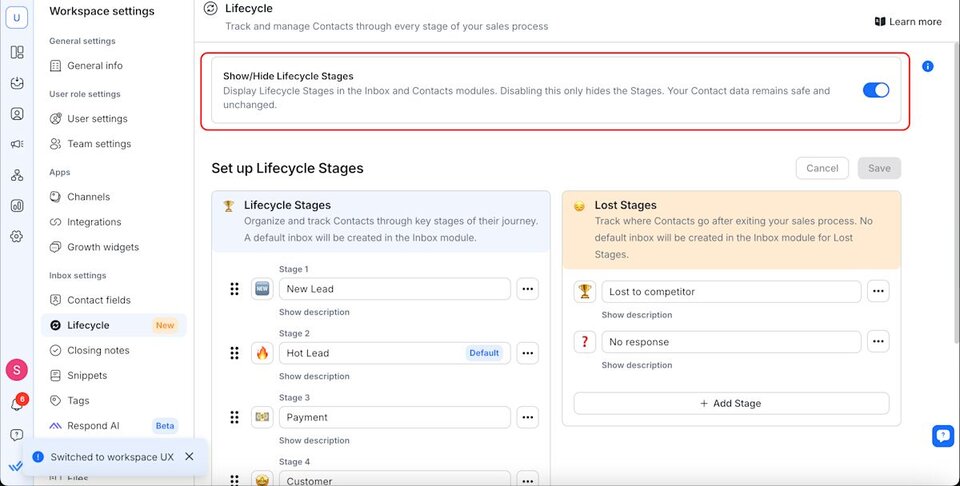
If mid-market B2C teams investing significant ad spend on click to chat ads can’t follow ads from source to conversion, they may optimize for clicks, not purchases. Respond.io is the customer conversation platform where enquiries from click to chat ads land. The ad source is automatically captured — no manual tagging, no agent intervention — so the attribution data is attached the moment the conversation begins. In short, respond.io sits between the ad platform and the closed deal: it holds the conversation, tracks the contact through lifecycle stages, and sends conversion signals back to Meta and TikTok when key stages are reached.
Retains ad source across interactions to show which ads make money
If attribution data disappears after the first message, the marketing team cannot identify which campaigns bring in revenue versus which produce dead-end conversations. In respond.io, the captured ad source stays visible in the conversation thread through every subsequent interaction — AI Agent qualification, human handoff, follow-up broadcasts, and eventual close. If a lead takes three weeks and seven touchpoints to convert, the original campaign attribution remains intact.
This persistence matters because high-consideration B2C sales rarely close in one conversation. A team selling home renovation services or medical procedures may nurture a lead across multiple channels and agents before the deal closes.
Sends conversion data to Meta and TikTok to get better ROI on ad spend
When a lead clicks a click-to-WhatsApp ad on Facebook or Instagram, or a click to message ad on TikTok and starts a conversation, no configuration is required — the click ID is detected and saved the moment the conversation opens.
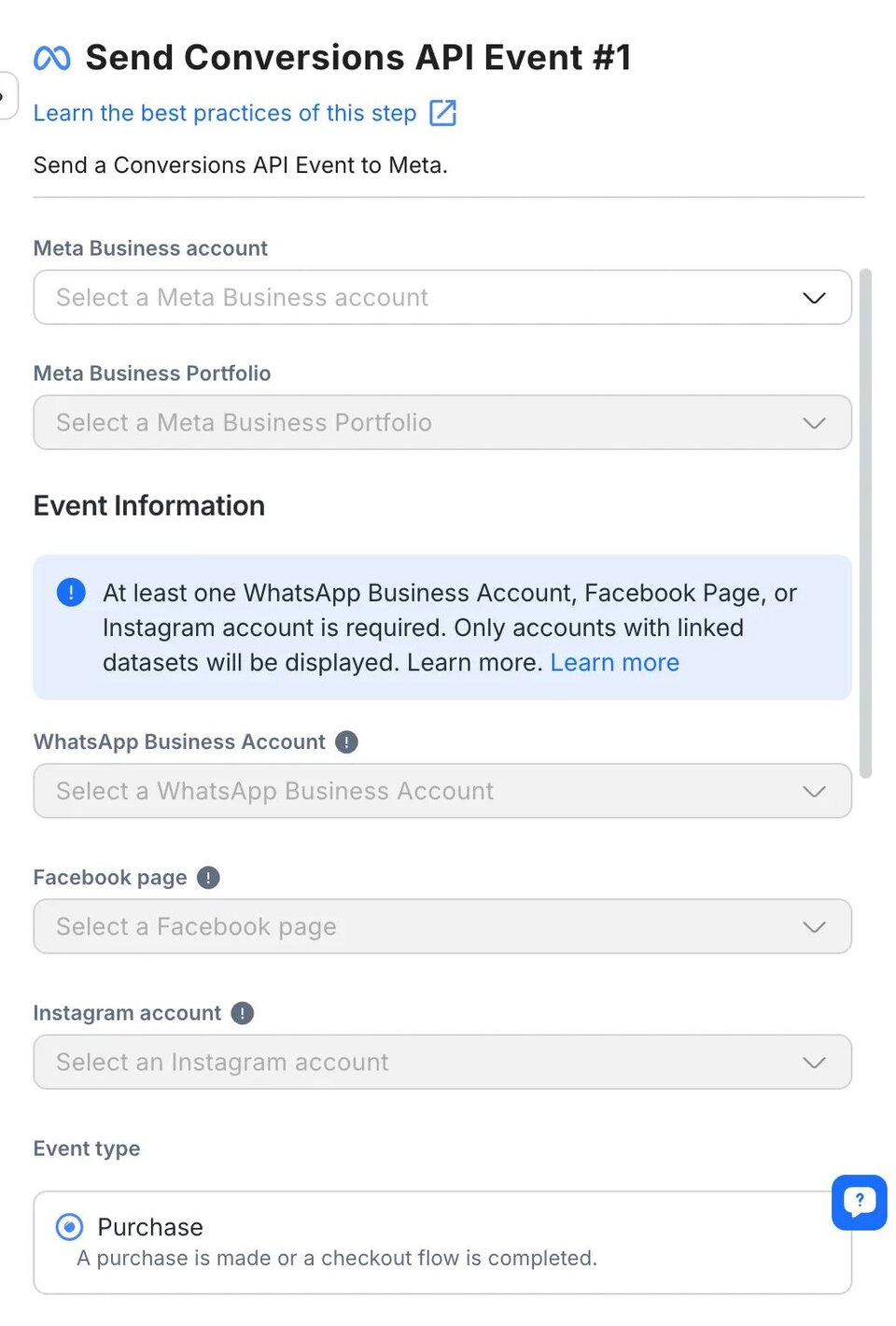
To close the attribution loop, send conversion signals via the Send Conversions API Event step for Meta, and the Send TikTok Lower Funnel Event step for TikTok. When a contact reaches a key stage, respond.io Workflows trigger the relevant step and send that signal back to Meta Ads Manager or TikTok Ads Manager, so both platforms can show you which campaigns drove conversions and optimize future ad delivery accordingly. Because respond.io is built for high volumes of conversations, you can scale your ads and quickly gather the conversion data you need to optimize them.
















 Electronics
 Fashion & Apparel
 Furniture
 Jewelry and Watches
 Afterschool Activities
 Sport & Fitness
 Beauty Center
 Dental Clinic
 Medical Clinic
 Home Cleaning & Maid Services
 Photography & Videography
 Car Dealership
 How Srikandi Streamlined Communication for 47 Branches and Accelerated Revenue GrowthRead Customer Story
  Travel Agency & Tour Operator