
















 Elektronik
 Mode & Pakaian
 Mebel
Mebel Perhiasan dan Jam Tangan
 Kegiatan Setelah Sekolah
 Olahraga & Kebugaran
 Pusat Kecantikan
 Klinik Gigi
 Klinik Medis
 Layanan Pembersihan Rumah & Pembantu
 Fotografi & Videografi
 Dealer Mobil
 Agen Perjalanan & Operator Tur


Ringkasan - Memilih platform percakapan pelanggan untuk tim B2C multi-lokasi di Jerman
Saat percakapan pelanggan mulai terlewat di antara lokasi, otomatisasi menjadi tidak konsisten dan manajemen kehilangan visibilitas. Respond.io menyediakan satu platform bagi bisnis B2C menengah di Jerman untuk mengelola percakapan di seluruh operasinya
Lihat lintas lokasi tanpa menyatukannya menjadi satu tim. Atur setiap lokasi sebagai sebuah Tim, sekelompok pengguna yang mengelola percakapannya sendiri, sehingga staf bisa fokus pada lokasi mereka sementara manajer tetap memiliki pandangan yang lebih luas.
Pertahankan konsistensi AI dan otomatisasi saat lokasi baru dibuka. Agen AI dapat bekerja dari pengetahuan yang dikelola secara terpusat, sementara alur kerja menstandarkan routing dan proses lain yang cenderung berkembang per cabang.
Ikuti perjalanan pelanggan lebih jauh dari balasan pertama. Integrasi CRM dan pelaporan Lifecycle membantu manajemen melihat bagaimana pertanyaan berkembang dan di mana mereka berhenti di seluruh lokasi.
Pisahkan lokasi lebih lanjut ketika bisnis membutuhkannya. Beberapa ruang kerja dapat memberi setiap situs pengguna, saluran, kontak, dan pengaturan sendiri dalam satu Organisasi, dengan masing-masing ruang kerja menyimpan pengetahuan dan pelaporannya sendiri.
Ketahui kapan tidak perlu beralih. Respond.io dibangun untuk tim B2C yang menghasilkan pendapatan dari percakapan pelanggan dengan volume tinggi. Jika Anda beroperasi pada satu saluran dengan kurang dari 500 percakapan per bulan, alat ringan adalah pilihan yang lebih cocok.
Jika Anda menjalankan bisnis B2C pasar menengah di Jerman dengan lebih dari satu cabang, artikel ini membahas apa yang harus dilakukan ketika alat yang mengutamakan WhatsApp yang berfungsi baik di satu lokasi mulai mengalami masalah saat bisnis berkembang.
Di satu lokasi, semua orang tahu nomor yang digunakan pelanggan, siapa yang harus menjawab dan di mana riwayat percakapan disimpan. Namun, tambahkan lokasi kedua dan kesederhanaan itu mulai menghilang. Leads dijawab dua kali, terlambat atau tidak sama sekali, yang memperlambat konversi dan merugikan pendapatan bisnis.
Seorang pasien mengirim pesan ke akun Instagram merek tetapi menginginkan janji di praktik lain. Seorang pembeli mobil menanyakan dua showroom tentang model yang sama. Seorang prospek gym berbicara dengan satu klub, lalu menanggapi iklan dari akun pusat. Pelanggan mengira mereka melanjutkan percakapan dengan satu perusahaan, sementara secara internal, tim mungkin hanya melihat potongan-potongan terpisah.
Di sinilah pengaturan ringan mulai lebih mahal daripada yang terlihat dari biaya langganannya. Otomatisasi melenceng antar lokasi, tim menghabiskan lebih banyak waktu untuk mengoordinasikan kepemilikan, dan manajer harus merekonstruksi perjalanan pelanggan dari data yang terfragmentasi. Respond.io dibangun untuk saat percakapan perlu diskalakan seiring pertumbuhan bisnis, di berbagai lokasi dan saluran, tanpa harus membangun ulang setelan dari awal di setiap situs baru.
Di mana alat ringan gagal pada skala multi-lokasi dan kapan harus menggantinya
Membuka lokasi kedua jarang langsung membuat alat ringan gagal. Pesan masih sampai dan tim masih membalas. Yang berubah adalah seberapa banyak operasi mulai terjadi di luar perangkat lunak daripada di dalamnya: percakapan diteruskan, otomatisasi disalin antar cabang dan manajer mengembangkan cara mereka sendiri untuk melacak.
Solusi sementara itu biasanya tidak berbahaya pada awalnya. Masalahnya adalah solusi itu berlipat dengan setiap lokasi baru, sampai bisnis menghabiskan lebih banyak waktu untuk mengoordinasikan percakapan daripada yang seharusnya dibutuhkan oleh setelan awal. Saat solusi sementara itu menjadi bagian dari proses sehari-hari — misalnya meneruskan leads secara manual antar cabang, memelihara otomatisasi terpisah untuk setiap lokasi, atau menyusun laporan secara manual — saat itulah waktunya mengganti alat.
1. Tidak ada visibilitas lintas lokasi
Seorang pelanggan menanyakan satu dealer tentang mobil di WhatsApp, lalu mengirim pesan ke showroom lain setelah melihat iklan di Instagram. Bagi pelanggan, kedua percakapan itu adalah dengan grup dealer yang sama. Secara internal, dua tenaga penjualan kini mungkin menindaklanjuti tanpa tahu apa yang dijanjikan yang lain. Grup klinik melihat hal yang sama ketika pasien menghubungi akun sosial pusat tetapi membutuhkan praktik tertentu, sementara jaringan gym bisa menemui prospek yang sama dua kali melalui akun klub dan kampanye merek.
Ini berarti tim menduplikasi pekerjaan — pelanggan harus mengulang informasi, dan lead tertunda sementara seseorang menentukan siapa yang bertanggung jawab. Setiap cabang mungkin memiliki pandangan jelas tentang antrian mereka sendiri, namun bisnis tetap memiliki gambaran pelanggan yang tidak lengkap.
2. Tidak ada otomatisasi atau AI yang konsisten
Lokasi kedua sering kali dimulai dengan menyalin pengaturan lokasi pertama. Bulan-bulan kemudian, satu manajer mengubah jam buka, yang lain mengubah penawaran dan yang ketiga menyesuaikan cara kualifikasi leads. Seiring waktu, lokasi dapat memberi pelanggan informasi yang berbeda, mengikuti proses kualifikasi yang berbeda atau mengumpulkan level detail yang berbeda.
AI bisa membuat inkonsistensi itu menyebar lebih cepat. Jika setiap lokasi mempertahankan instruksi dan pengetahuan yang berbeda, bisnis bisa berakhir mengotomatisasi beberapa versi dirinya sendiri. Masalahnya bukan apakah tim memiliki AI, tetapi apakah ada yang bisa menjaga apa yang diketahui AI dan bagaimana perilakunya tetap konsisten saat lokasi baru aktif.
3. Tidak ada pandangan pemilik yang terpadu
Kelemahan menjadi jelas ketika pemilik menanyakan hal sederhana seperti berapa banyak pertanyaan yang berujung pada pemesanan bulan lalu. Dalam setelan yang terfragmentasi, jawaban mungkin tersebar di beberapa ekspor, masing-masing disusun oleh manajer dengan definisi lead yang sedikit berbeda.
Hal ini membuat kinerja buruk lebih sulit didiagnosis. Sebuah grup klinik mungkin melihat lebih sedikit pemesanan di satu praktik tanpa tahu apakah leads datang lambat atau ditindaklanjuti dengan buruk, sementara dealer mobil mungkin melihat satu showroom tertinggal tanpa tahu di mana prospek hilang. Ketika perjalanan pelanggan terpecah di berbagai lokasi, masalah proses cenderung berubah menjadi masalah staf, anggaran atau "kita butuh lebih banyak leads" sebelum ada yang menyadari apa yang sebenarnya rusak.
Kapan tim B2C multi-lokasi harus beralih ke Respond.io
Waktu yang tepat untuk beralih adalah ketika alat Anda saat ini mulai kesulitan mengimbangi volume pesan yang meningkat di berbagai lokasi. Saat menjaga percakapan tetap terkoordinasi antar lokasi mulai memerlukan terlalu banyak upaya manual — entah tim meneruskan prospek antar cabang, memelihara otomatisasi terpisah, atau menyusun laporan untuk memahami apa yang terjadi di seluruh bisnis.
Bagi bisnis B2C pasar menengah yang menangani lebih dari 500 percakapan per bulan di berbagai lokasi, respond.io menjadi pilihan yang lebih kuat ketika tim lokal masih membutuhkan kepemilikan atas pelanggan mereka tetapi bisnis secara keseluruhan memerlukan lebih banyak konsistensi, pengawasan yang lebih jelas, dan pandangan andal tentang bagaimana prospek bergerak dari pertanyaan pertama hingga konversi.
Jika Anda masih menjalankan satu lokasi pada satu saluran utama dan mengelola kurang dari 500 percakapan per bulan, mungkin belum ada alasan kuat untuk beralih.
Bagaimana respond.io membantu menskalakan tim B2C
respond.io adalah platform percakapan pelanggan untuk bisnis B2C menengah yang mengelola percakapan yang krusial bagi pendapatan dalam skala besar. Platform ini dibuat untuk titik di mana pengaturan tingkat lokasi yang terpisah mulai menghalangi bisnis yang seharusnya mereka dukung.
Alih-alih memperlakukan setiap cabang, saluran, dan interaksi pelanggan sebagai masalah terpisah, respond.io menghadirkan Inbox omnichannel terpusat, Agen AI, dan kemampuan CRM yang digabungkan sebagai lapisan dalam satu platform percakapan pelanggan. Tim lokal dapat tetap memegang kepemilikan percakapan mereka sementara bisnis yang lebih luas mendapatkan konsistensi dan pengawasan yang hilang sebelumnya.
Berikut cara ketiga lapisan itu mengatasi masalah yang cenderung muncul pertama kali.
Omnichannel: Satu Inbox dengan pandangan terpadu di seluruh lokasi
Pelanggan jarang peduli bagaimana bisnis membagi salurannya secara internal. Seseorang mungkin menemukan klinik di Instagram, melanjutkan di WhatsApp dan kemudian menelepon, sambil mengharapkan perusahaan mengingat percakapan tersebut sepanjang waktu.
respond.io menghadirkan WhatsApp, Instagram, Facebook Messenger, TikTok, Telegram, email, chat situs web dan WhatsApp Business Calls ke dalam satu platform percakapan pelanggan, sebagai Mitra Premier resmi Meta dan Mitra Pemasaran TikTok. Tim kemudian dapat mencerminkan cara lokasi bekerja sebenarnya: misalnya staf Munich dapat fokus pada antrian Munich, sementara kantor pusat mempertahankan pandangan di seluruh grup.
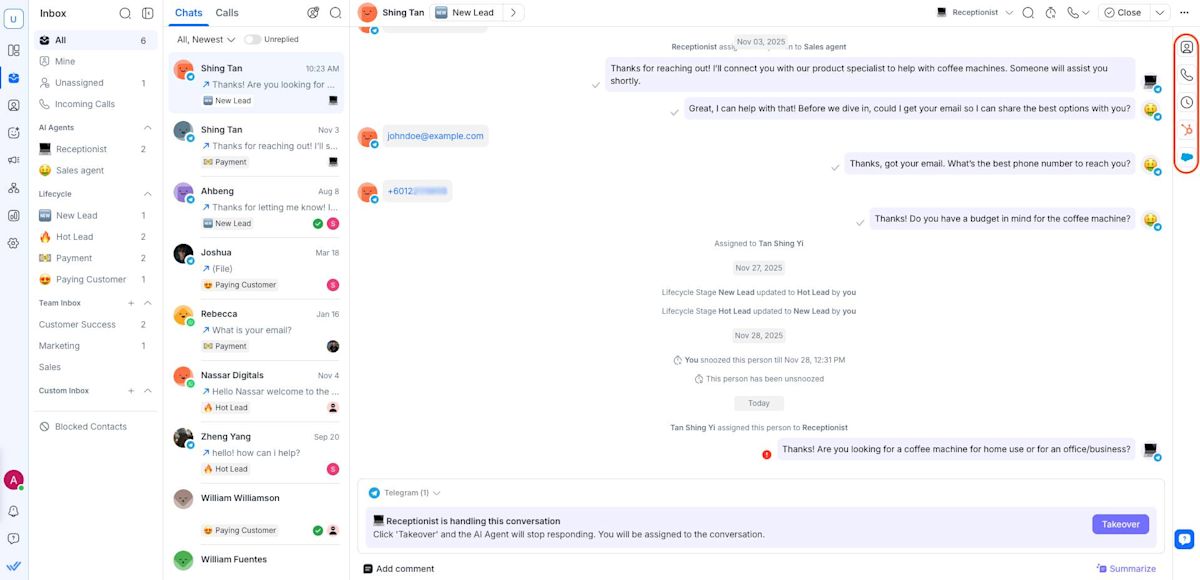
Alur routing mengirimkan pertanyaan ke Tim yang tepat berdasarkan faktor seperti nomor yang dihubungi, kode pos, sumber iklan atau bahasa, lalu mendistribusikannya kepada agen yang tersedia. Sebuah showroom di Bremen dapat menerima prospek Bremen secara otomatis, dengan logika fallback jika tidak ada yang tersedia, alih-alih bergantung pada tangkapan layar yang diteruskan dan penyerahan melalui obrolan grup.
Konteks pelanggan juga tetap melekat pada kontak. Ketika seseorang memulai di satu saluran dan melanjutkan di saluran lain, agen berikutnya dapat bekerja dari riwayat yang ada alih-alih meminta pelanggan untuk memulai kembali.
Sport Center Los Naranjos menunjukkan dampak dari menyatukan percakapan ini. Pusat kebugaran dan kesejahteraan menerima lebih dari 1.000 pertanyaan per bulan, tetapi agen sebelumnya harus membaca setiap pertanyaan dan meneruskannya secara manual kepada orang yang tepat.

WhatsApp, Facebook Messenger, dan Instagram diintegrasikan ke dalam respond.io, di mana tim penjualan, administrasi, dan koordinasi dapat berbagi percakapan dan data pelanggan, sementara alur kerja mengarahkan pertanyaan yang lebih kompleks ke agen penjualan yang tersedia.
Setelah beralih, waktu respons pertama turun dari 20 menit menjadi 5 menit dan pusat tersebut berhasil mengonversi 20% lebih banyak pelanggan dari pertanyaan yang masuk.
Agen AI: Satu basis pengetahuan bersama, konsisten di mana pun
AI tidak menyelesaikan inkonsistensi jika setiap lokasi memberinya informasi yang berbeda. Agen AI Respond.io dapat bekerja dari sumber pengetahuan yang dikelola secara terpusat, sehingga pembaruan harga konsultasi, penawaran keanggotaan, atau kebijakan tidak bergantung pada setiap cabang untuk mengingat melakukan perubahan yang sama.
Bagi grup klinik, itu bisa berarti jawaban yang konsisten tentang perawatan, jam buka dan pemesanan sebelum diserahkan ke praktik yang tepat. Waralaba gym dapat mengkualifikasi permintaan trial menggunakan logika yang sama di seluruh klub, sementara kelompok dealer dapat mengumpulkan detail prospek yang berguna sebelum tenaga penjualan bergabung dalam percakapan.

Agen AI Respond.io juga dapat mengumpulkan informasi pelanggan, memfilter spam, mengkualifikasi prospek, mengarahkan percakapan, dan membagikan tautan pemesanan atau pembayaran. Karena Agen AI menggunakan instruksi dan sumber pengetahuan yang sama, mereka dapat merespons secara konsisten ke mana pun percakapan itu sampai. Mereka juga dapat menangani percakapan suara melalui WhatsApp Business Calling atau VoIP dan menyerahkannya ke manusia jika diperlukan.
Praga Medica menunjukkan bagaimana AI dapat mengambil pekerjaan kualifikasi repetitif dari tim manusia. Fasilitator wisata medis menggunakan Agen AI untuk mengumpulkan informasi dari kontak dan memfilter spam, sehingga hanya prospek yang berkualitas yang diarahkan ke para konsultan. Agen AI juga membalas pertanyaan masuk secara instan, termasuk di luar jam kerja.

Praga Medica sekarang memfilter 97% spam dan telah memangkas waktu respons pertama sebesar 50%, memberi konsultan lebih banyak waktu untuk fokus pada pertanyaan pasien yang sebenarnya.
Konsistensi tidak berarti membuat setiap cabang identik. Perbedaan lokal bisa saja dibenarkan. Yang tidak boleh berubah secara tidak sengaja adalah fakta, logika kualifikasi, dan bagian penting dari perjalanan pelanggan.
CRM: Visibilitas Lifecycle untuk pemilik dan tim operasional
Ketika percakapan dikelola per lokasi, pemilik bisa melihat banyak aktivitas tanpa harus melihat keseluruhan perjalanan pelanggan. Pelacakan Lifecycle Respond.io memberi struktur pada aktivitas tersebut, sehingga grup klinik dapat mengikuti pertanyaan hingga konsultasi, grup dealer dapat melacak calon pelanggan hingga test drive dan pembelian, dan waralaba gym dapat melihat uji coba mana yang menjadi keanggotaan.
Laporan Lifecycle dapat disaring menurut tim, sehingga lebih mudah membandingkan lokasi dan melihat di mana calon pelanggan terhenti tanpa harus menggabungkan hasil ekspor. Respond.io juga terintegrasi secara native dengan HubSpot dan Salesforce, sehingga bisnis dapat mempertahankan CRM mereka sebagai sistem pencatatan dan mudah memperbaruinya agar informasi pelanggan tetap tersedia bagi agen manusia dan agen AI selama percakapan.

Respond.io berjalan di AWS, bersertifikat ISO 27001 dan sesuai GDPR, dengan 99.999% uptime untuk memastikan percakapan dan catatan pelanggan tetap dapat diakses saat mereka berpindah antar lokasi dan berada di bawah satu platform bukan beberapa.
Beralih memang memerlukan penyiapan awal. Tim multi-lokasi perlu menyepakati hal dasar seperti cara mengarahkan calon pelanggan, apa yang dihitung sebagai calon pelanggan berkualitas, dan bagaimana tahapan Lifecycle didefinisikan sebelum proses tersebut dapat distandarkan di seluruh bisnis. Respond.io menyediakan dukungan orientasi dan implementasi untuk membantu tim menata struktur tersebut, serta dukungan manusia dan AI 24/7 setelah platform aktif.
Perubahan yang dibawa Respond.io untuk tim B2C multi-lokasi
Bagi bisnis B2C multi-lokasi, beralih ke Respond.io berarti menggantikan solusi sementara per cabang dengan satu model operasional untuk percakapan pelanggan di seluruh perusahaan. Ini bukan sekadar pindah ke platform dengan lebih banyak fitur.
Bagi tim B2C pasar menengah yang menangani volume percakapan tinggi, itu berarti:
Lebih sedikit calon pelanggan yang terlewat antar lokasi. Pertanyaan dapat mencapai tim yang tepat dengan konteks yang benar, alih-alih bergantung pada seseorang untuk menyadari, meneruskan dan menindaklanjuti secara manual.
Lebih konsisten di seluruh pengalaman pelanggan. Informasi inti, logika kualifikasi, dan proses otomatis dapat dikelola secara terpusat, sehingga pelanggan cenderung tidak menerima jawaban berbeda hanya karena mereka menghubungi lokasi lain.
Akuntabilitas dan visibilitas kinerja yang lebih jelas. Tim lokal dapat melihat apa yang menjadi tanggung jawab mereka, sementara manajemen dapat mengikuti bagaimana prospek bergerak melalui tahap Lifecycle, di mana mereka terhenti, dan bagaimana perbandingan antar lokasi.
Pengaturan yang mudah diskalakan seiring bisnis berkembang. Lokasi baru dapat ditambahkan tanpa membangun ulang pengaturan dari awal, membantu tim menangani lebih banyak prospek dan penjualan tanpa menambah beban kerja manual.
Srikandi menunjukkan seperti apa ini pada skala multi-lokasi. Jaringan dealer otomotif ini memiliki 47 cabang, masing-masing dengan tim penjualan dan tim dukungan sendiri. Sebelum Respond.io, agen mengandalkan nomor WhatsApp pribadi untuk berbicara dengan pelanggan, yang menyebabkan beban kerja tidak merata, pengalaman pelanggan tidak konsisten, dan percakapan sulit diawasi oleh manajer.
Srikandi memindahkan percakapan tersebut ke nomor WhatsApp resmi dan Facebook Messenger, lalu menggunakan Respond.io untuk mengarahkan pelanggan ke cabang pilihan mereka dan menugaskan mereka ke agen penjualan atau dukungan yang tepat. Manajer dapat memantau percakapan secara terpusat, sementara penugasan agen khusus membantu pelanggan tetap bersama tenaga penjualan yang sama sepanjang perjalanan penjualan.

Dalam lima bulan, 88% percakapan diarahkan secara otomatis ke cabang dan agen yang tepat, membantu bisnis menangani peningkatan volume percakapan sebesar 125%. Srikandi juga melaporkan peningkatan pendapatan 23%, menunjukkan bahwa pengawasan terpusat dapat mendukung kepemilikan lokal alih-alih menggantikannya.
Hasil akhirnya adalah platform yang membantu tim B2C multi-lokasi mengelola volume percakapan pelanggan yang tinggi secara andal saat bisnis berkembang. Tim lokal masih bisa menjalankan bagian bisnis mereka, tetapi penentuan rute, pengetahuan AI, dan pelaporan tahap pelanggan tidak perlu lagi dibangun ulang sebagai proses terpisah setiap kali perusahaan berkembang. Bagi bisnis B2C pasar menengah yang sudah menangani volume percakapan tinggi, itulah perbedaan antara menambah lokasi baru dan menambah silo baru.
Jika bisnis Anda mengelola volume percakapan pelanggan yang tinggi di berbagai lokasi dan solusi sementara mulai memperlambat tim, bicarakan dengan tim kami tentang pengaturan yang tepat untuk bisnis Anda, atau mulai uji coba gratis.
Pertanyaan yang Sering Diajukan tentang tim B2C multi-lokasi di Jerman
Apakah respond.io merupakan platform percakapan pelanggan yang tepat untuk bisnis B2C multi-lokasi di Jerman?
Ya, untuk bisnis B2C pasar menengah yang menjalankan lebih dari 500 percakapan per bulan di dua lokasi atau lebih. respond.io adalah platform percakapan pelanggan yang memberi grup klinik, grup dealer dan franchise gym visibilitas lintas lokasi melalui Tim, AI yang konsisten lewat satu basis pengetahuan bersama, dan pandangan pemilik terpadu melalui pelaporan Lifecycle. Ini bukan pilihan yang tepat untuk satu lokasi pada satu saluran dengan volume rendah, di mana alat yang lebih ringan memenuhi kebutuhan dengan lebih sedikit penyiapan.
Apakah alat yang mengutamakan WhatsApp berhenti bekerja di lokasi kedua?
Alat itu tidak lagi cukup untuk mengelola percakapan pelanggan secara konsisten di banyak lokasi, karena alat tersebut dibuat untuk satu nomor, satu tim dan satu Inbox. Di lokasi kedua, bisnis menjalankan dua Inbox terpisah tanpa tampilan bersama atau satu Inbox tanpa cara untuk membedakan lokasi, dan otomatisasi menjadi tidak konsisten karena setiap cabang mempertahankannya sendiri. respond.io dibuat untuk percakapan bervolume tinggi lintas saluran dan lokasi, sehingga lokasi kedua atau kesepuluh adalah Tim atau Workspace baru, bukan alat baru.
Apakah respond.io sebuah CRM?
respond.io adalah platform percakapan pelanggan yang mencakup kemampuan CRM seperti pelacakan tahap Lifecycle dan catatan kontak, dan terintegrasi secara native dengan HubSpot dan Salesforce. Bukan pengganti CRM. Untuk bisnis multi-lokasi, CRM tetap menjadi sistem pencatatan sementara respond.io menjalankan lapisan percakapan di setiap situs dan mengirimkan data kembali. Bisnis yang hanya membutuhkan sistem pencatatan untuk akun harus membeli CRM; bisnis yang kehilangan prospek antar situs membutuhkan lapisan percakapan di depannya.
Apakah Respond.io sebuah Inbox bersama atau Inbox omnichannel?
Respond.io adalah platform percakapan pelanggan yang mencakup sebuah Inbox omnichannel terpusat sebagai salah satu lapisannya, bersama Agen AI, alur kerja routing, pelacakan siklus hidup, panggilan, dan integrasi CRM. Sebuah Inbox mandiri menyelesaikan "semua orang bisa melihat pesan." Namun, itu tidak menyelesaikan masalah seperti "Bremen dan Hamburg sama-sama membalas", yang merupakan masalah kepemilikan dan pengaturan rute yang tidak dapat diperbaiki hanya dengan Inbox. Tim multi-lokasi memilih Respond.io untuk lapisan di sekitar Inbox.
Apakah respond.io hanya bekerja dengan WhatsApp?
respond.io mendukung WhatsApp sebagai salah satu saluran di antara banyak, termasuk Instagram, Facebook Messenger, TikTok, Telegram, email, chat situs web dan WhatsApp Business Calls, semuanya dalam satu catatan pelanggan. Bisnis multi-lokasi Jerman sering memulai dengan pendekatan WhatsApp-first, itulah mengapa alat yang hanya WhatsApp bekerja di satu situs. Keunggulan Respond.io terlihat ketika muncul lokasi kedua atau saluran kedua, karena platform ini menjaga satu riwayat pelanggan di semua saluran tersebut.
Haruskah setiap lokasi memiliki Workspace respond.io sendiri?
Sebagian besar bisnis multi-lokasi yang berbagi merek dan proses sebaiknya menjalankan satu Workspace dengan satu Tim per lokasi, karena itu menjaga pelaporan lintas lokasi dalam satu pandangan. Ruang kerja terpisah masuk akal ketika sebuah situs membutuhkan pengguna, saluran, dan data pelanggan sendiri tetapi masih berbagi satu langganan dan satu merek, misalnya grup yang praktiknya menjalankan sistem janji temu berbeda. Ketika lokasi benar-benar merupakan merek atau wilayah terpisah dengan kebutuhan penagihan dan keamanan sendiri, organisasi terpisah adalah struktur yang direkomendasikan.
Bacaan lanjutan
Jika Anda merasa artikel ini bermanfaat, lihat bacaan berikut:


