















 Electronics
 Fashion & Apparel
 Furniture
 Jewelry and Watches
 Afterschool Activities
 Sport & Fitness
 Beauty Center
 Dental Clinic
 Medical Clinic
 Home Cleaning & Maid Services
 Photography & Videography
 Car Dealership
 Travel Agency & Tour Operator

TL;DR — Stop lead leakage with a customer lifecycle management software
Mid-market B2C businesses lose revenue every time a lead or customer moves between channels without a shared record. A contact who messaged on Instagram yesterday and calls today looks like a stranger to whoever picks up. Replies slow down, offers repeat or miss entirely and the contact quietly drops off. That drop-off is invisible unless you're tracking it.
The fix: Respond.io's Lifecycle feature tags every contact by stage, AI Agents qualify and route leads the moment they arrive, and CRM/ad-attribution integrations (HubSpot, Salesforce, Meta CAPI, TikTok Lower Funnel Events) keep that status in sync everywhere your team works.
The result, from businesses already running it:
EMAX Beauté saw an 18x increase in appointment bookings.
Noonmar increased conversions by 20%.
SchuVar Tours cut its sales cycle by 60%.
Not necessary if: you run a single channel with low lead volume. The payoff shows up once you're managing contacts across two or more channels, or a team big enough that handoffs are already slipping.
The cost of fragmented tracking and when it's time to fix it
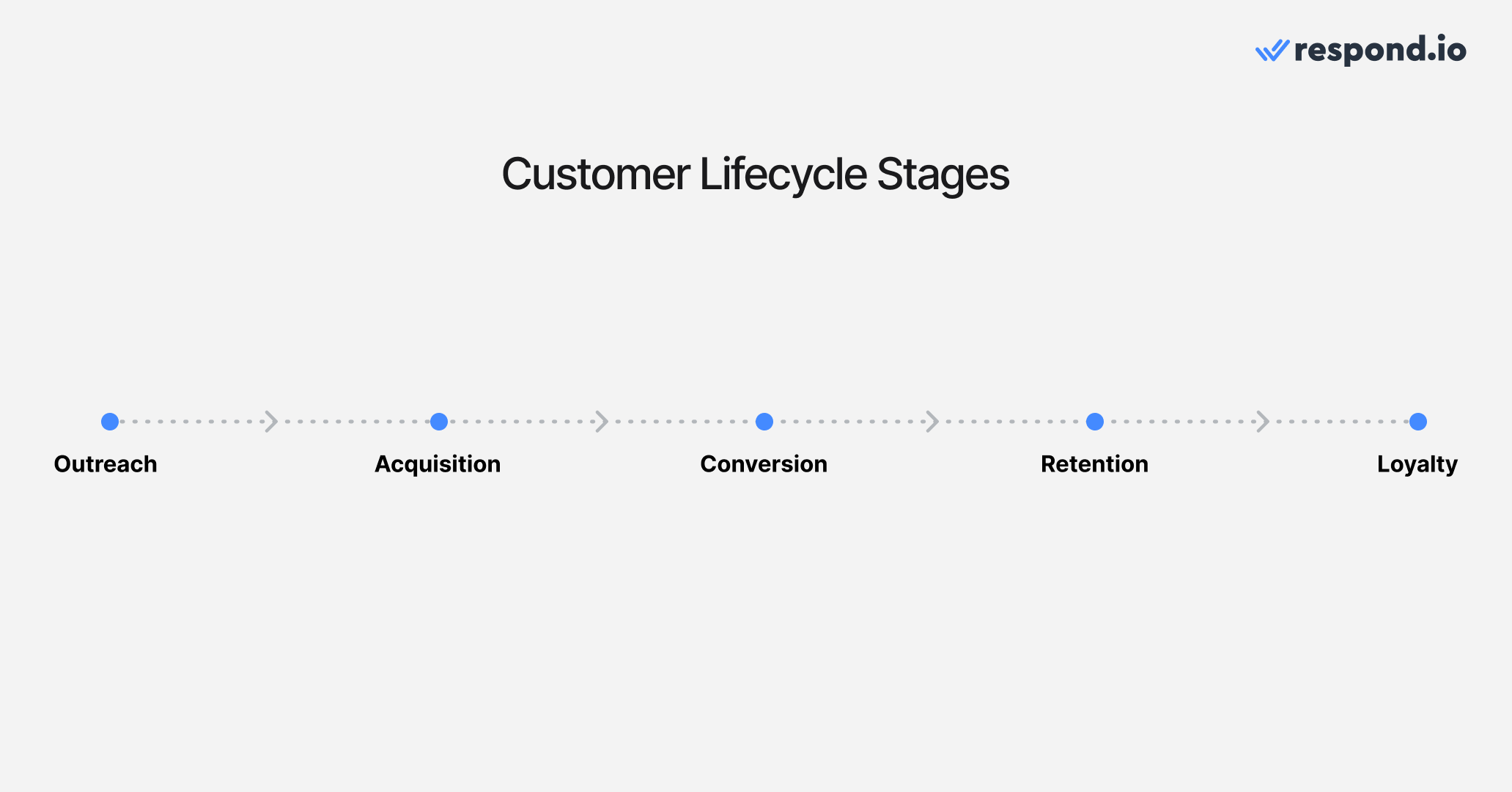
Acquiring a customer is expensive. Losing one because a reply came too late, or because two agents gave the same lead conflicting information, is worse, since that customer was already paid for. For mid-market B2C businesses running leads across more than one channel, this is rarely a one-off mistake — it's a recurring cost that compounds every week tracking stays fragmented.
This is what fragmented tracking costs in practice:
EMAX Beauté didn't have a way to see where a lead sat in the booking process across branches and channels. Once they could, appointment bookings rose 18x.
Noonmar was managing international customers across channels with no shared context, which slowed responses and made it hard to prioritize. Adding lifecycle tracking lifted conversions 20%.
SchuVar Tours couldn't tell a lead who'd already received a quote from a first-time inquiry, so both got treated the same. Fixing that cut their sales cycle by 60%.
None of these businesses had a tooling problem in the sense of missing a CRM or an inbox. They had a visibility problem — nobody could see, at a glance, where a contact stood or what should happen next. That's the choice in front of every mid-market B2C business running leads across channels: keep absorbing that cost, or fix the visibility gap that causes it.
Where conversation context breaks and when it costs you
Two failure points create most of the leakage.
Channel switching
A contact messages on Instagram, then calls or switches to WhatsApp. Without shared context, they have to repeat themselves, and whoever picks up now has to catch up before replying. That delay is often the difference between closing and losing the lead.
Agent handoff without context
A lead who's already been qualified or quoted gets picked up by a different agent with no visibility into what's already happened. They get asked the same questions again, given conflicting information, or simply answered slower, all of which slow conversion and can cause missed details that lose the sale entirely.
Both failures show up under the same conditions: once a mid-market B2C business is coordinating leads across more than one channel, or across more than one or two agents, and no one can answer "where is this lead in the process?" without asking around, these breaks start compounding.
That's the threshold where lifecycle tracking pays for itself.
If you're a single-channel, low-volume operation, for example, one person handling WhatsApp for a small local business, this isn't yet your problem. Revisit it once you're managing more than one channel or team member.
Switching isn't free, either. Someone on your team needs to define lifecycle stages that match how you actually sell, and agents need a short adjustment period before tagging becomes automatic instead of an extra step.
That upfront setup is what makes the tracking reliable once it's running. Treat it as a real cost, not an afterthought.
How respond.io closes the gap
Respond.io is a customer conversation platform built to close exactly this gap. This is the same mechanism EMAX Beauté, Noonmar and SchuVar Tours used — here's how it works.
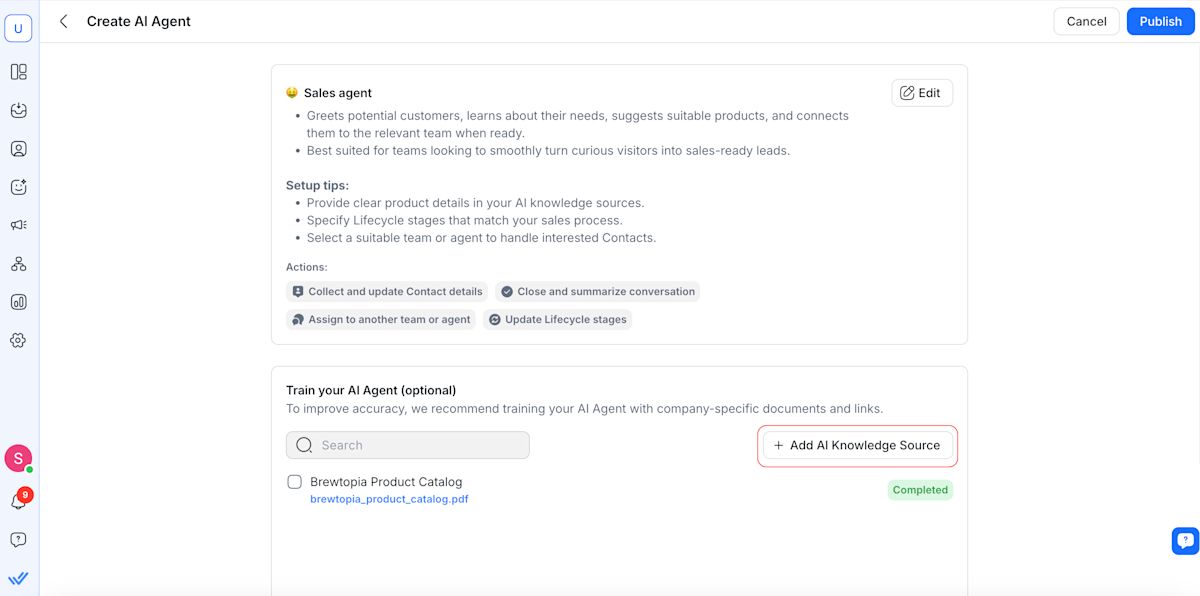
AI Agents qualify leads the moment they arrive: Instead of a pile of unanswered messages after a campaign goes live, AI Agents reply instantly, ask qualifying questions, and route only real leads to a human — so no one wastes time on spam and no real lead waits.
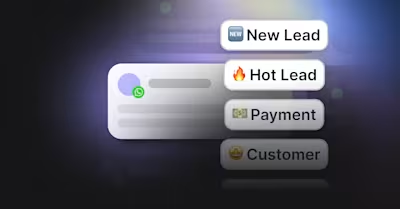
Lifecycle stages show exactly who to prioritize: Default stages (New Lead, Hot Lead, Payment, Customer) are visible right in the conversation, so an agent picking up a hot lead ready to pay knows to answer that one first — customizable to match how your business actually sells.
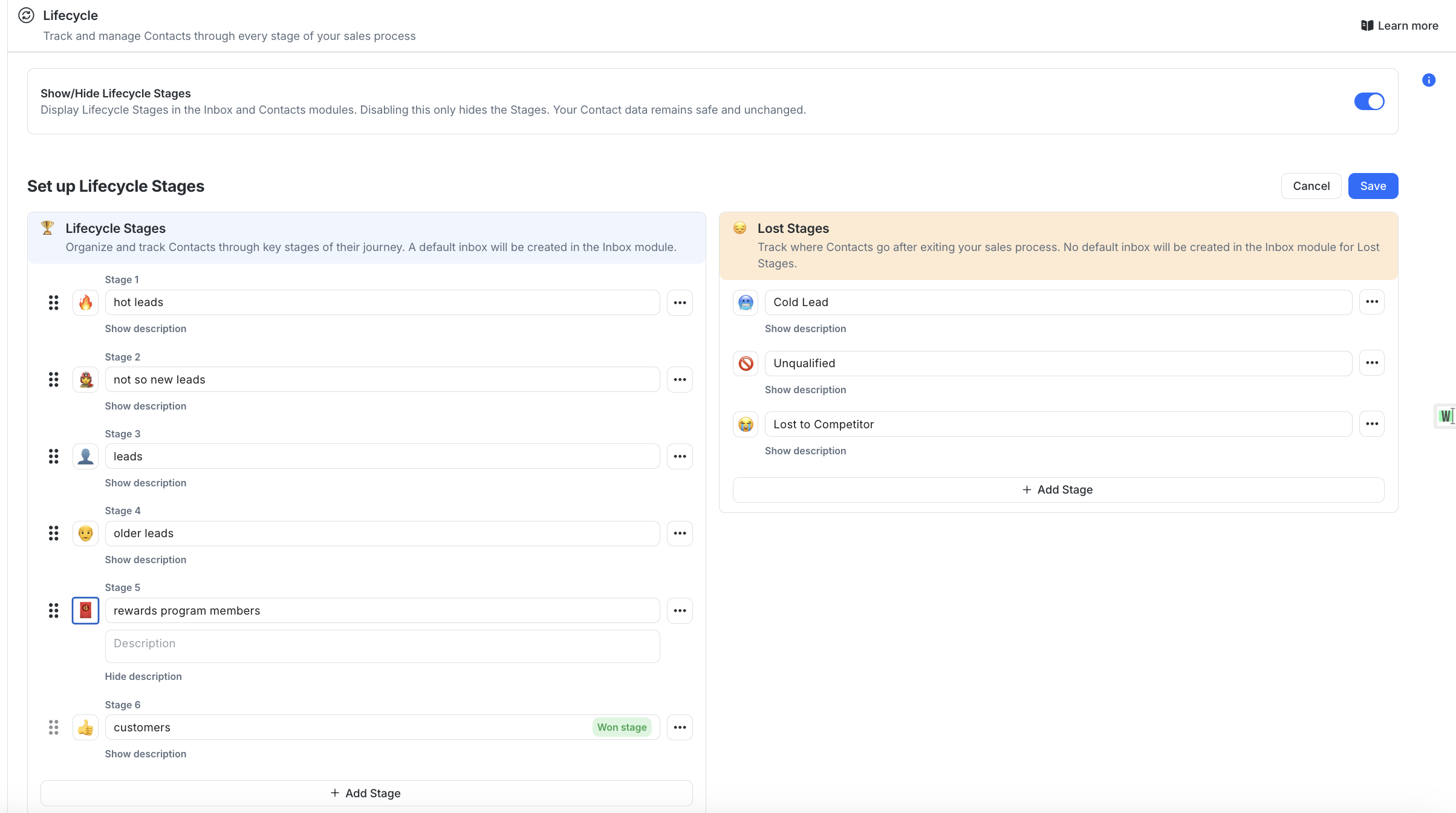
Lost Stages show where revenue is leaking, not just that it is: A lead marked Cold Lead who waited too long for a reply is a different problem than one marked Unqualified from bad targeting. Knowing which is which tells you what to fix.
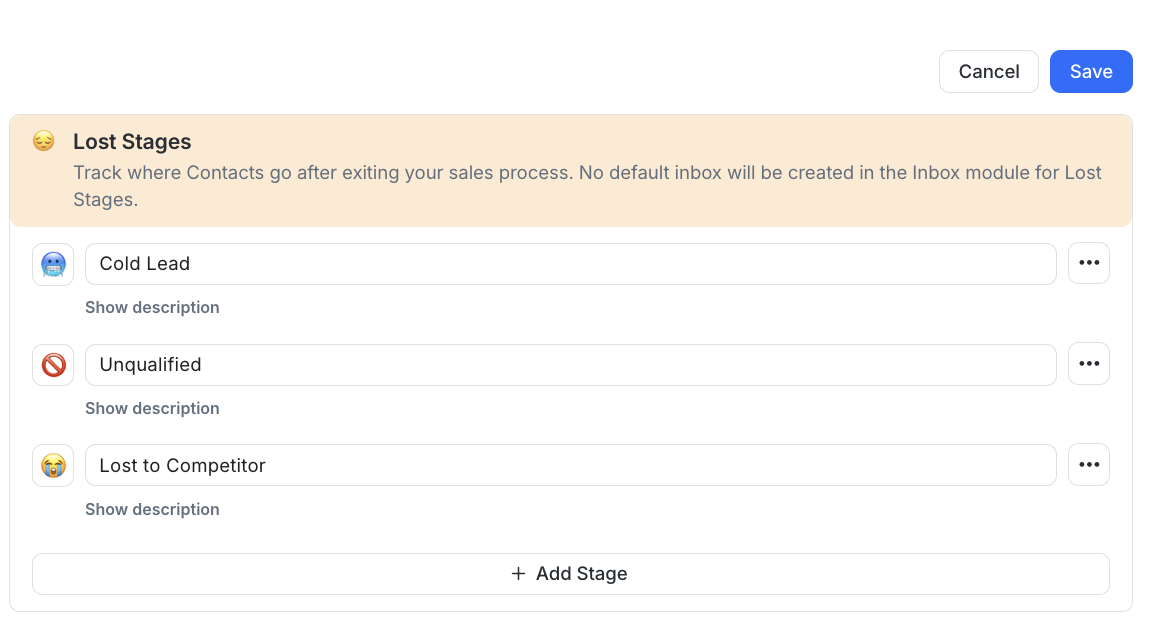
CRM integration keeps everyone working from the same picture: Native HubSpot and Salesforce integrations surface CRM properties directly in the inbox — no tab-switching, no stale data. A connected Google Calendar account also displays upcoming and past meetings for each contact in a sidebar, matched by email, so agents see meeting history without leaving the conversation.
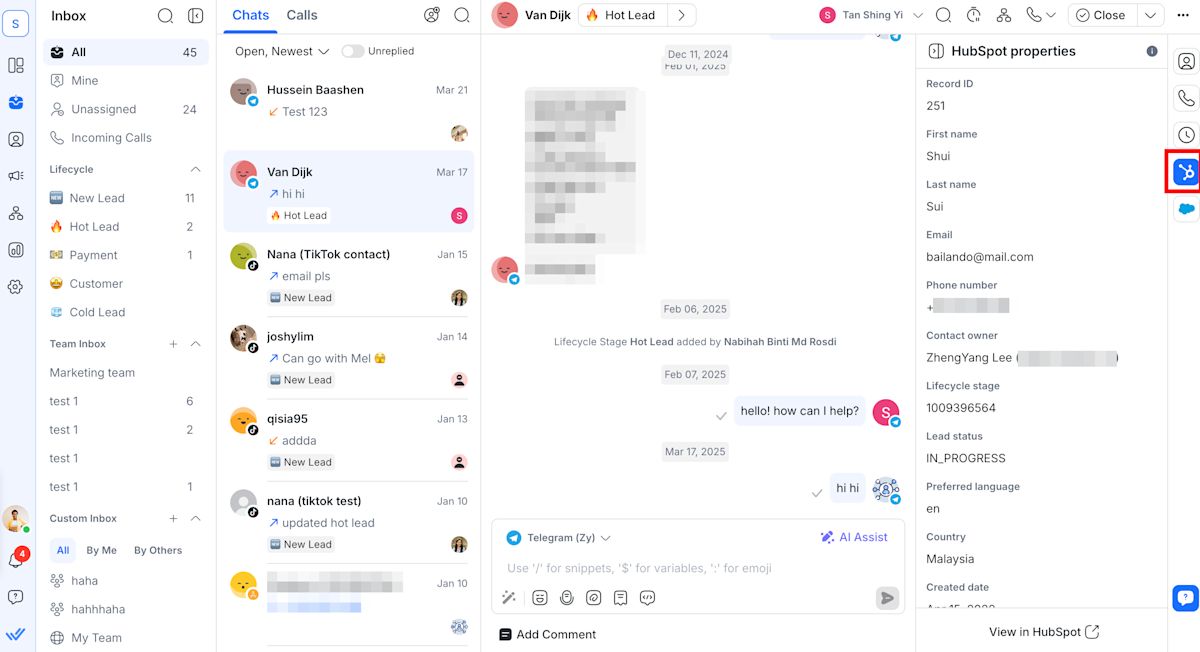
CAPI and TikTok Lower Funnel Events tie ad spend to actual outcomes: Conversion events (bookings, purchases) sync back to Meta and TikTok and can automatically move a contact's lifecycle stage — so attribution and lifecycle status update themselves.
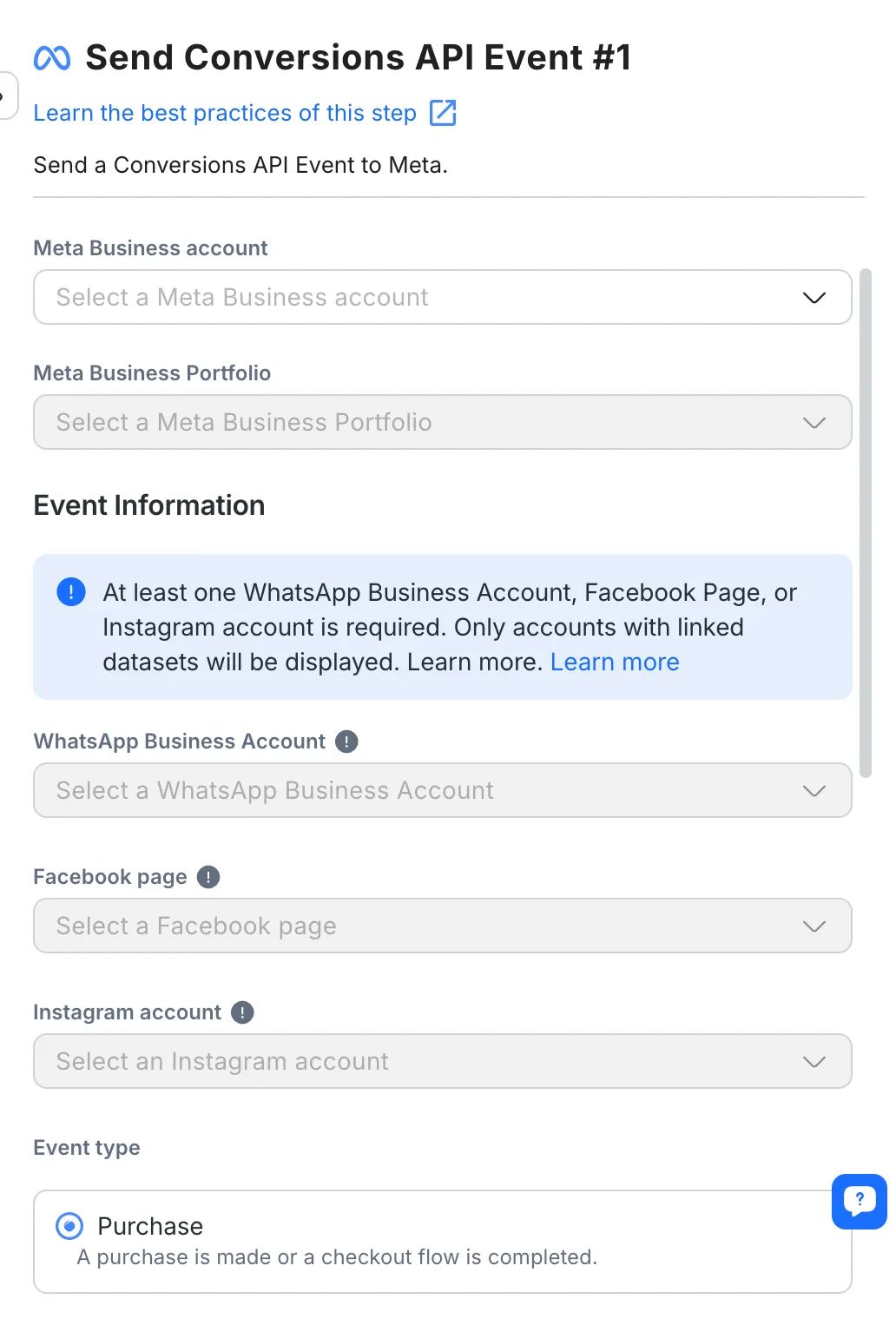
Broadcasts turn retention into a system, not a memory test: Re-engagement messages go out by lifecycle stage, so promotions land on people likely to want them instead of everyone.
Will a customer lifecycle management software fix your problem?
If your team is a mid-market B2C business already running leads across more than one channel, or handing conversations between more than one or two agents, fragmented tracking is very likely costing you revenue right now — not because your team is careless, but because nobody can see the full picture of a contact without checking three tools first.
Switch now if: you're already seeing the signal — agents asking each other "where did this lead come from" or "did anyone already quote them." That's the threshold from the section above, and it means the cost is compounding weekly.
Wait if: you're single-channel and low-volume. Revisit this once you add a second channel or a second person answering conversations.
Businesses that made the switch saw results ranging from 18x more bookings to 60% faster sales cycles. Start a free trial of respond.io and see where your own leads are actually dropping off.
Turn customer conversations into business growth with respond.io. ✨
Manage calls, chats and emails in one place!
FAQs about customer lifecycle management software
How much revenue does poor lifecycle tracking actually cost?
There's no universal number, since it depends on your deal size and lead volume — but the pattern holds across mid-market B2C businesses: EMAX Beauté saw appointment bookings rise 18x once they could see where leads dropped off, and SchuVar Tours cut its sales cycle by 60% by fixing the same visibility gap. The cost of not tracking is the inverse of those gains for your own funnel — leads that quietly go cold because no one had the context to follow up in time.
How long does it take to see ROI from lifecycle tracking?
Most mid-market B2C businesses see a measurable shift within a few months — Noonmar's conversion rate rose 20% and SchuVar Tours' sales cycle shortened by 60% within that window. The timeline depends mainly on how quickly your team adopts the new lifecycle stages, since the tracking only pays off once agents are actually tagging and checking status consistently.
Is respond.io worth it if I already have a CRM?
Yes. Respond.io is a customer conversation platform, not a CRM replacement — it's built to sit alongside your CRM, not instead of it. Native integrations with HubSpot and Salesforce mean your CRM stays the record of truth for accounts and deals, while respond.io adds the conversation-level lifecycle tracking a CRM alone doesn't give you, since most CRMs don't natively track where a contact sits inside an ongoing chat thread.
Isn't respond.io just a shared inbox?
No. Respond.io is a customer conversation platform that includes a shared inbox as one part of it, not the whole product. A shared inbox alone shows agents the same messages — it doesn't track which lifecycle stage a contact is in, qualify leads automatically, or sync that status to your CRM and ad platforms. Mid-market B2C businesses that outgrow a plain shared inbox typically do so because they need the lifecycle layer on top of it, not because the inbox itself is the bottleneck.
Does respond.io only work for WhatsApp?
No. Respond.io is a customer conversation platform built to unify WhatsApp alongside Instagram, Facebook Messenger, TikTok, VoIP, web chat and email in one inbox with one lifecycle record. Businesses that are genuinely single-channel and low-volume don't need this yet — but the moment you're running leads across two or more of these channels, the value comes specifically from tracking one contact's status across all of them, not from any one channel alone.
Further Reading
If you're interested in learning more about optimizing the customer experience, check out these other articles:


