
















 Eletrônicos
 Moda & Vestuário
 Móveis
 Joias e Relógios
 Atividades Extracurriculares
 Esportes e Fitness
 Centro de Beleza
 Clínica Dental
 Clínica Médica
 Serviços de Limpeza Residencial e Empregada
 Fotografia e Videografia
 Concessionária de Carros
 Agência de Viagens e Operadora de Tour


TL;DR — Use respond.io para melhorar a qualidade dos leads no Meta
Empresas B2C de médio porte melhoram a qualidade dos leads no Meta com respond.io iniciando conversas no chat, depois qualificando e acompanhando os resultados para que o Meta otimize para leads de qualidade, e não apenas pelo volume de mensagens.
Use anúncios click to chat para captar leads de maior intenção.
Use IA + automação para qualificar rapidamente e filtrar spam antes que os representantes intervenham.
Envie eventos CAPI para qualificado / agendado / pago para que o Meta aprenda como é um "bom" lead.
Acompanhe ciclo de vida + atribuição no respond.io para escalar o que gera pipeline qualificado.
Essa abordagem não é adequada para campanhas de baixo volume ou para compras simples que exigem pouca avaliação, nas quais os leads não precisam ser qualificados antes de converterem.
Empresas B2C de médio porte que querem melhorar a qualidade dos leads no Meta precisam fazer três coisas: iniciar conversas no chat com anúncios click to chat, qualificar leads rapidamente com os agentes de IA do respond.io e enviar eventos de conversão ao Meta via CAPI para que ele aprenda como é um bom lead. Se seus anúncios Meta estão gerando muitas mensagens, mas poucas oportunidades reais, você está otimizando para os sinais errados. Isso é comum em setores como educação, saúde, beleza, viagens e automotivo, onde as pessoas querem fazer perguntas, comparar opções e confirmar detalhes antes de comprar.
Vamos mostrar como usar o respond.io para definir a qualificação de leads, acompanhar resultados e usá‑los para otimizar o que o Meta entrega.
Por que meus anúncios Meta não estão tendo bom desempenho?
É comum que empresas B2C de médio porte não vejam resultados imediatos com anúncios Meta, pois eles exigem otimização e ajustes finos. Existem várias razões pelas quais seus anúncios Meta podem não estar tendo um bom desempenho. Pode ser que não sejam o tipo certo para seu público, que os leads não estejam sendo devidamente qualificados ou que você não esteja enviando os sinais de conversão corretos de volta ao Meta.
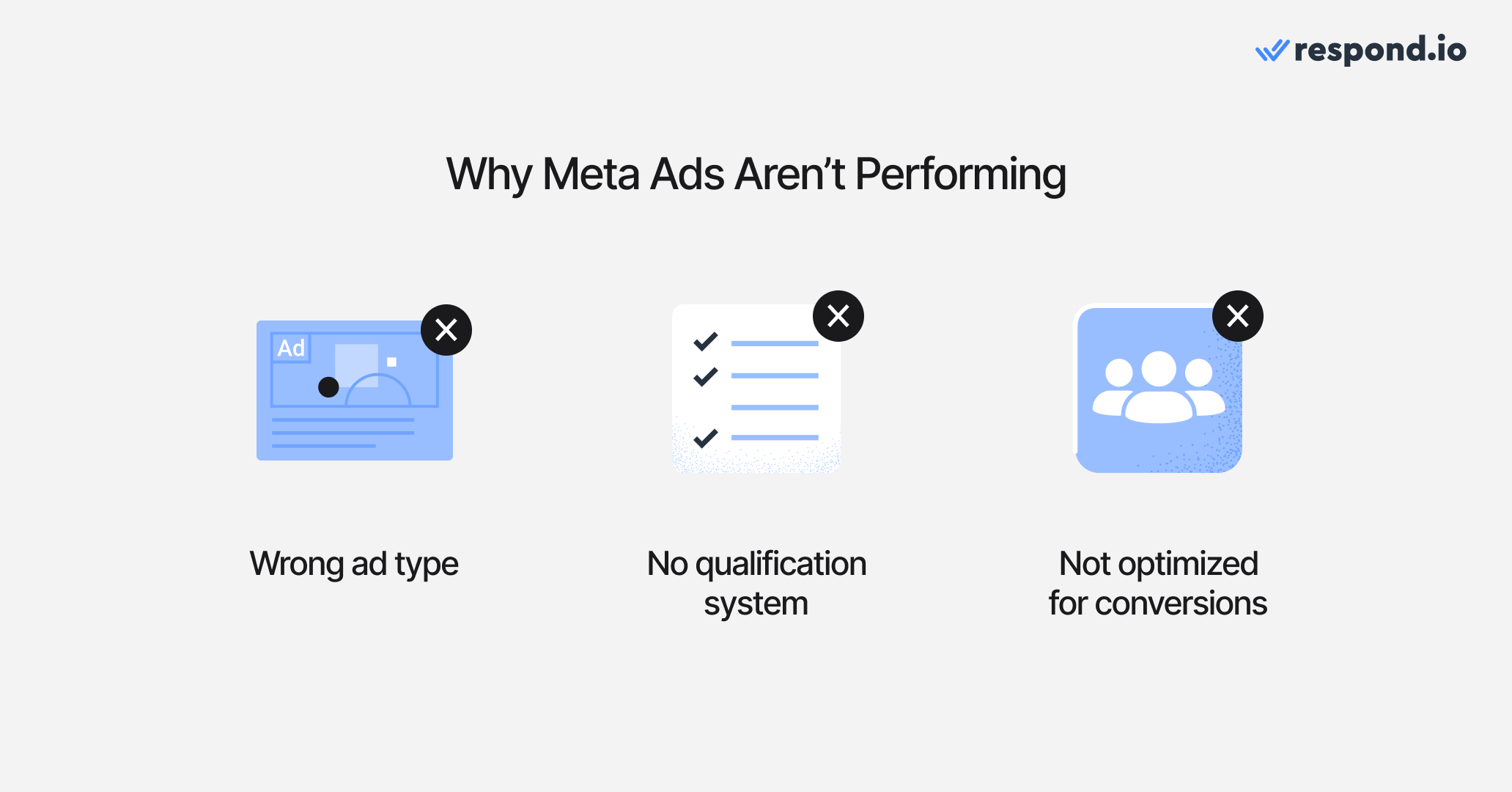
Tipo de anúncio errado para seu público
Se sua empresa vende produtos de alto valor sobre os quais os clientes precisam tirar dúvidas, você não deve usar anúncios estáticos nas redes sociais que direcionam para seu site. É melhor usar click to chat ads para fazer com que os leads iniciem uma conversa, mas isso não é tudo.
Para captar potenciais clientes, não basta apenas adicionar um botão de chat a um anúncio para o seu produto. As imagens, o texto e a CTA devem levar os prospects a iniciar uma conversa. Por exemplo, peça às pessoas para perguntarem sobre promoções por tempo limitado ou escolherem o pacote ou plano certo.
Sem um sistema de qualificação claro
No entanto, mesmo otimizar para conversas não garante que você obterá leads de qualidade. Altos volumes de anúncios Meta trarão respostas para sua caixa de entrada, mas se forem respostas de baixa qualidade, elas apenas desperdiçarão seu investimento em anúncios e o tempo da sua equipe de vendas. Por isso a automação é essencial. Chatbots ou agentes de IA podem responder instantaneamente aos leads e fazer perguntas de qualificação para que os agentes humanos só entrem quando um lead estiver qualificado.
O Meta não entende como é um bom lead
Quando você configura anúncios Meta, toda pessoa que clica para iniciar uma mensagem é contabilizada como um lead. Isso significa que o Meta exibirá mais anúncios para pessoas que iniciam mensagens porque parece que os anúncios estão funcionando. Mas, claro, as empresas não querem apenas mensagens; elas querem vendas. Para fazer o Meta entender o tipo de leads que você quer, você precisa enviar os sinais certos, usando Conversions API (CAPI), o que explicaremos mais adiante.
Como melhorar a qualidade dos leads do Meta em 6 passos
Melhorar a qualidade dos leads é reforçar a conexão entre anúncios, conversas e resultados. Anúncios click to chat colocam as pessoas em uma conversa por mensagem, mas seus resultados dependem do que acontece em seguida. Os seis passos abaixo foram concebidos para ajudar você a qualificar leads mais rápido, medir a progressão no funil e treinar o Meta para otimizar pelos resultados que importam.
1. Use anúncios click to chat
O caminho mais direto para leads de maior qualidade é iniciar a conversa onde a intenção é mais fácil de expressar: no chat.
Anúncios click to chat permitem que prospects façam perguntas imediatamente. Eles também reduzem o tempo entre o interesse e a resposta, que é onde a qualidade do lead desaparece silenciosamente. Se alguém tiver que esperar, desiste. Se eles puderem enviar mensagem instantaneamente e receber uma resposta imediata e estruturada, é mais provável que permaneçam engajados e forneçam as informações necessárias para qualificá‑los.
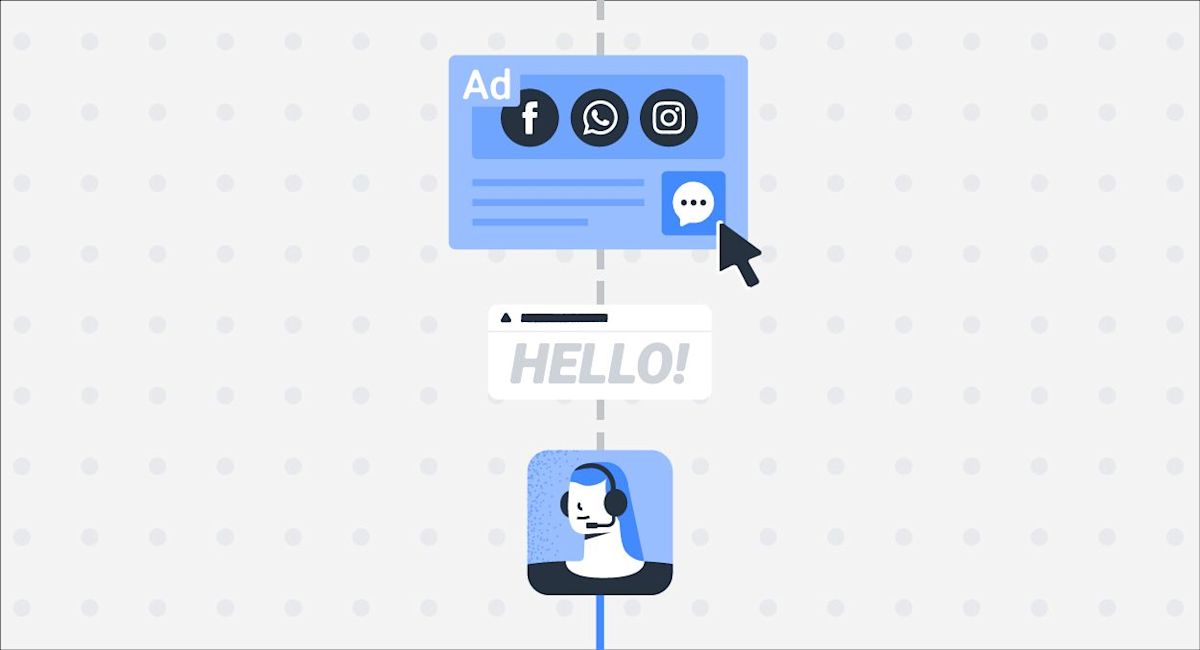
Se você está decidindo entre formatos, esta é a regra simples: quanto maior o valor e mais perguntas os clientes fizerem, mais o click to chat tende a superar formulários tradicionais e fluxos em sites.
2. Otimize para conversões, não para volume
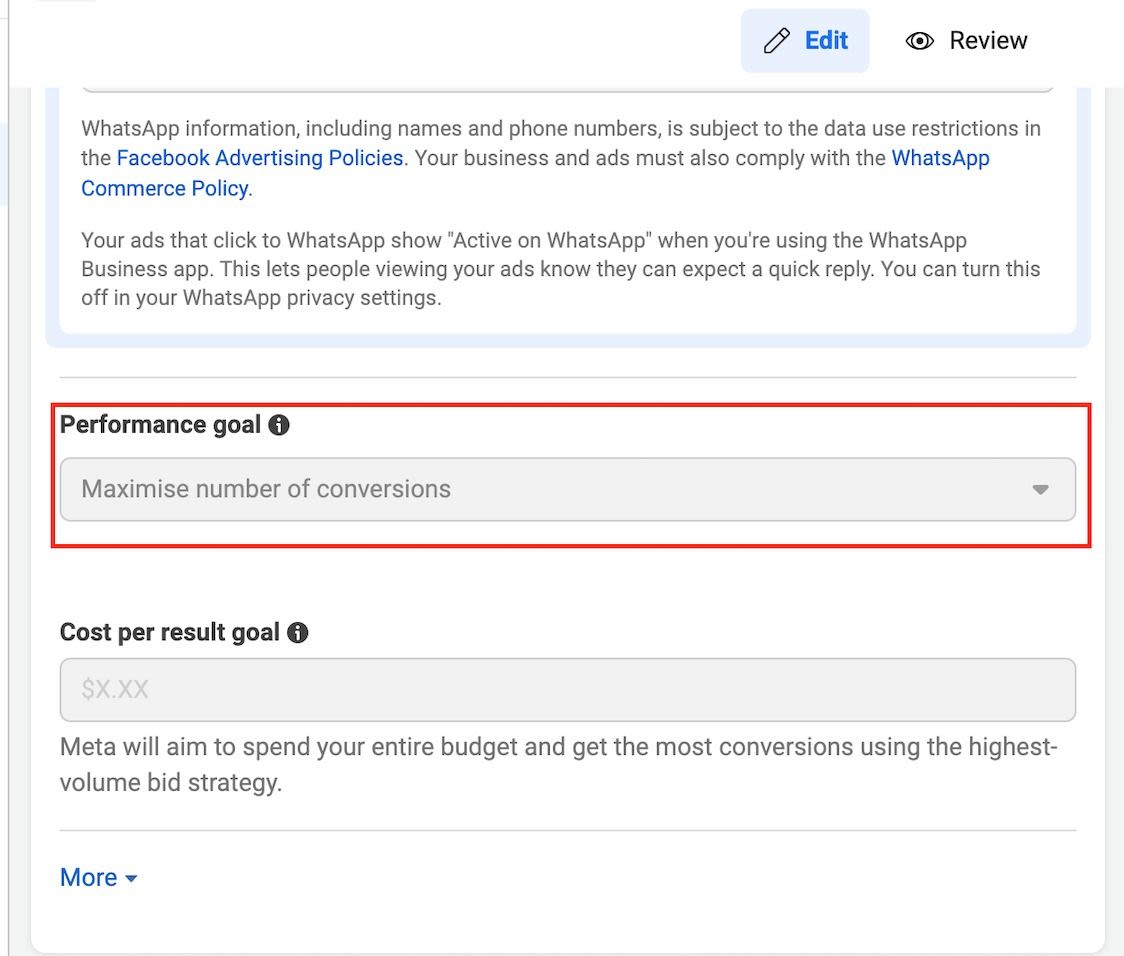
Muitas campanhas Meta "funcionam" no papel porque geram mensagens a baixo custo. Mas se essas mensagens não se transformam em leads qualificados, agendamentos ou compras, seu custo real por resultado é alto. O Gerente Sênior de Martech Loh Yi Xuan recomenda configurar sua campanha no Meta para “maximizar as conversões” em vez de “maximizar as conversas.”
3. Use agentes de IA para fazer perguntas de qualificação
A qualidade dos leads melhora quando você para de tratar toda resposta como um lead. O que você realmente quer é saber se o contato atende aos seus critérios e demonstra intenção. A maneira mais rápida de chegar lá é fazer as mesmas perguntas de qualificação sempre, instantaneamente, sem esperar por um agente humano.
Com os agentes de IA do respond.io, você pode cumprimentar o lead imediatamente, fazer uma sequência curta de perguntas, capturar respostas em campos e direcionar a conversa para um humano apenas quando o lead atender aos seus critérios.
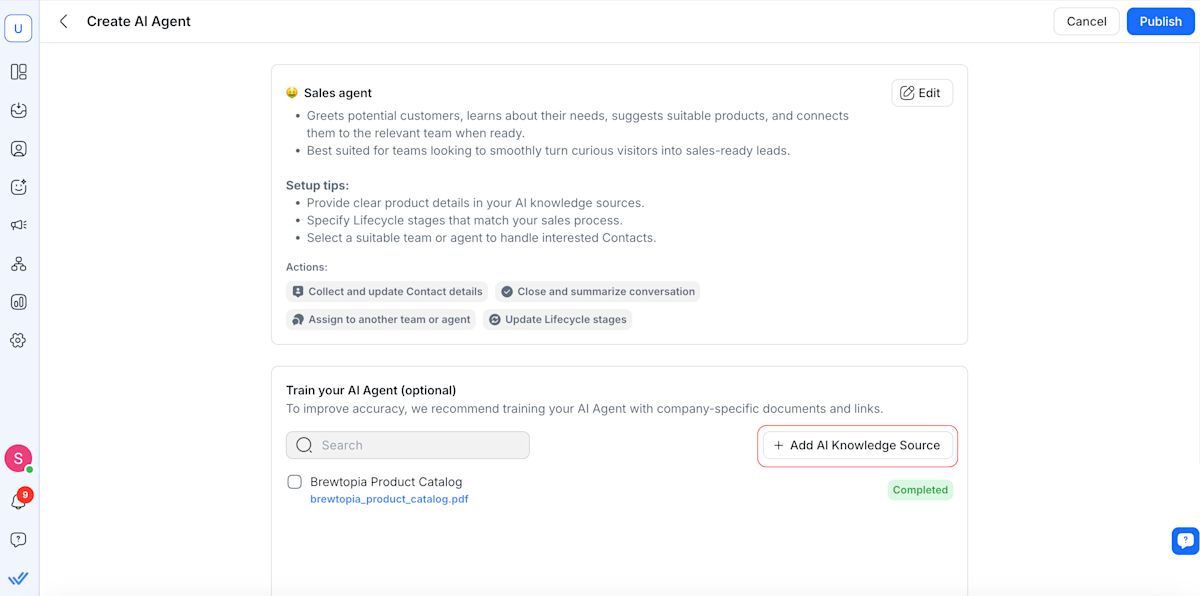
É assim que você impede sua equipe de vendas de gastar tempo com mensagens de "oi" e respostas de uma palavra. É também assim que você gera dados limpos que depois melhoram a otimização e os relatórios.
4. Configure o rastreamento do ciclo de vida do cliente no respond.io
Se você não consegue ver a progressão dos leads, não pode melhorar a qualidade dos leads. Você acabará tomando decisões com base em métricas superficiais como volume de mensagens e custo por conversa, que não são métricas de qualidade. O rastreamento do ciclo de vida do cliente do Respond.io permite que as empresas vejam toda a jornada do cliente para priorizar facilmente os contatos.
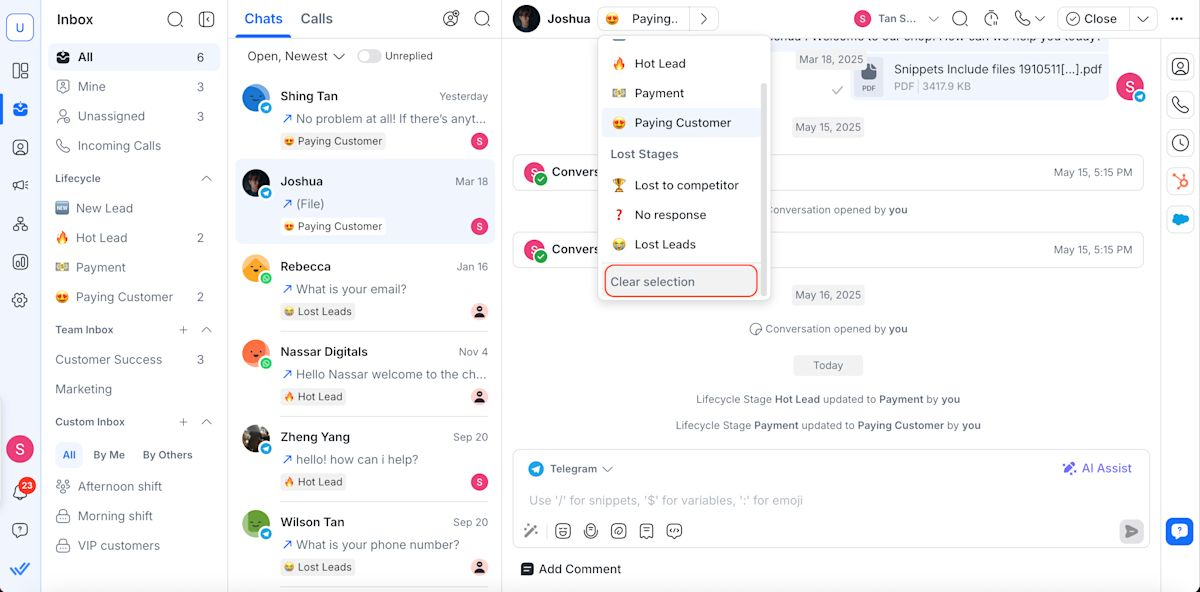
Com o rastreamento do ciclo de vida, estágios de contato personalizáveis como "new", "qualified" ou "paid" ficam visíveis em uma caixa de entrada compartilhada para fornecer contexto completo. Os estágios do ciclo de vida podem ser atualizados automaticamente por agentes de IA, assim os agentes humanos podem focar apenas em leads qualificados em vez de perder tempo com spam.
5. Use a Conversions API (CAPI) do Meta para enviar eventos de conversão de volta ao Meta
Agora você está pronto para corrigir a maior razão pela qual a qualidade dos leads do Meta permanece estagnada. O Meta aprende com o que você envia.
CAPI permite enviar eventos de conversão de volta ao Meta com base em resultados significativos. Em vez de treinar o Meta por cliques e engajamento, treine-o no que realmente importa, como qualified, booked e paid, para que a entrega melhore com o tempo.
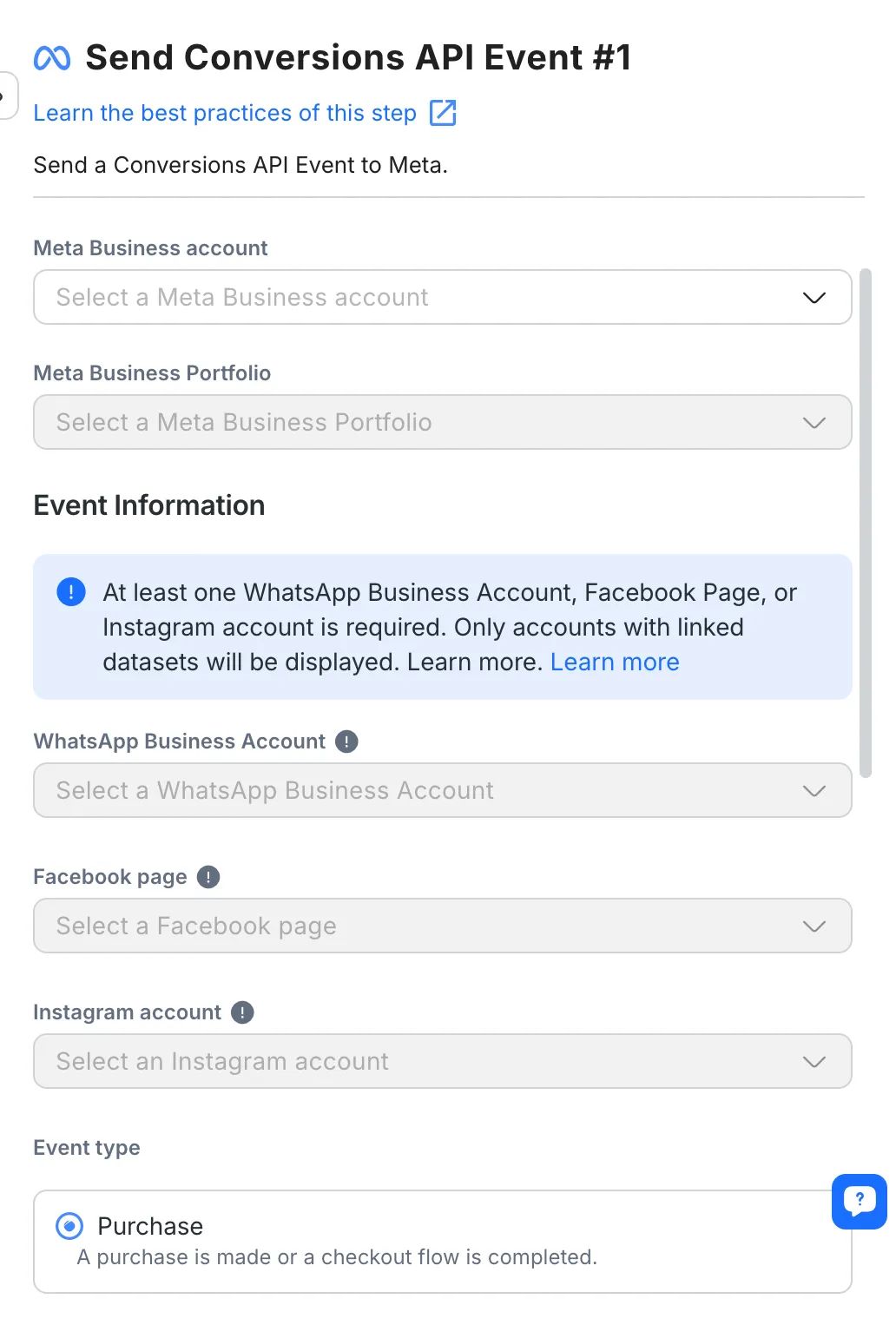
Isso é especialmente importante para anúncios click-to-chat porque a ação real acontece nas mensagens, não em um site. Se seu funil acontece em conversas, seus sinais de conversão também devem.
6. Acompanhe as estatísticas de atribuição de anúncios
Uma vez que você tem qualificação consistente e rastreamento do ciclo de vida, a atribuição se torna acionável.
Você não está mais perguntando qual anúncio recebeu mais mensagens. Você está perguntando qual campanha produz mais leads qualificados, qual conjunto de anúncios gera agendamentos ao menor custo e qual criativo atrai spam e tráfego de baixa intenção. O Respond.io oferece relatórios avançados para que você possa analisar o desempenho facilmente e planejar sua próxima estratégia de campanha.
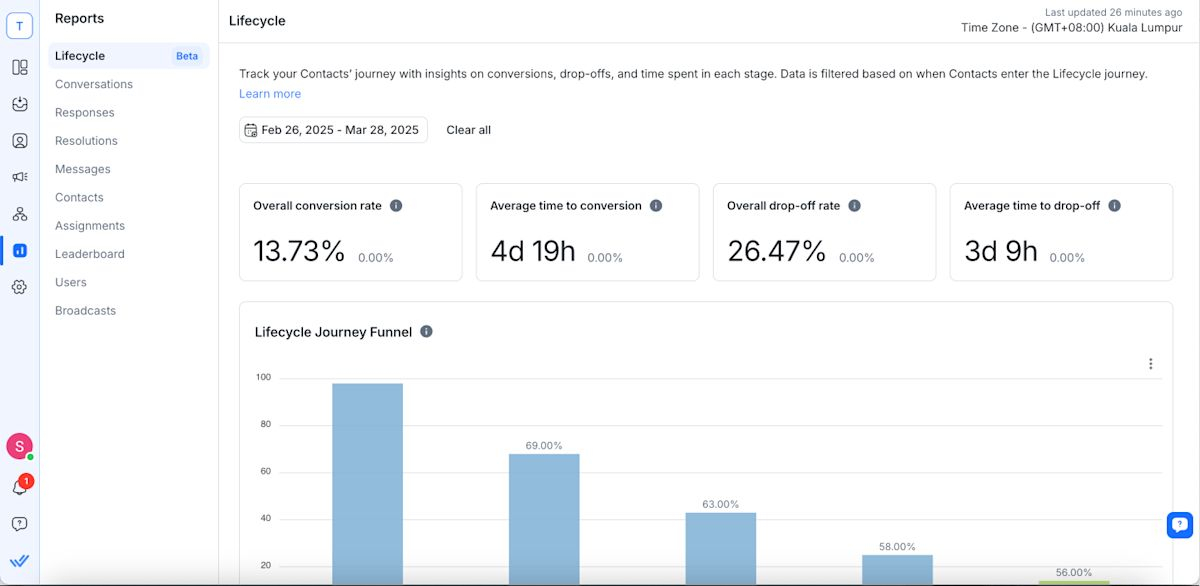
Relatórios do ciclo de vida mostram como os contatos se movem por estágios como new, qualified e won ou lost. Eles também permitem filtragem e agrupamento, incluindo dimensões relacionadas à atribuição como campanha de anúncio, conjunto de anúncios e anúncio, para que você possa conectar fontes de anúncio aos resultados do funil em vez de apenas à atividade da caixa de entrada. Isso se torna sua linha de base: onde os leads abandonam, onde a qualidade é forte e o que é considerado bom entre as campanhas.
3 empresas economizando tempo e aumentando vendas com anúncios Meta + respond.io
Você não precisa aceitar essa abordagem apenas por fé. Os exemplos abaixo mostram o que acontece quando você combina anúncios click-to-chat com qualificação rápida e sinais de conversão melhores. Em cada caso, o objetivo foi o mesmo: reduzir o tempo perdido com respostas de baixa intenção, aumentar o número de conversas qualificadas e dar ao Meta um feedback mais claro sobre quais resultados importam.
ParcelDaily aumenta conversões em 60% com CAPI
ParcelDaily gerencia um alto volume de conversas com clientes, o que significa que o desempenho dos anúncios não é apenas conseguir mais mensagens. Trata-se de transformar as conversas certas em resultados que importam. Como muitas equipes que executam anúncios Meta, enfrentou o problema clássico: muitos iniciadores de mensagem não se transformavam em conversões.
A ParcelDaily resolveu isso ao estreitar o caminho de "message started" para "converted" com automação, e depois usando a Meta Conversions API para que o Meta pudesse otimizar com base em resultados reais em vez do volume de conversas sozinho. Após implementar CAPI, a ParcelDaily reportou um aumento de 60% nas conversões, junto com uma redução de 10% no custo por lead dos anúncios Meta. Isso importa para a qualidade dos leads porque sinaliza uma mudança de consultas baratas e de baixa intenção para leads que têm mais probabilidade de concluir o funil.
EMAX Beauté obtém 60% menos leads de spam
Para EMAX Beauté, o problema de qualidade de leads parecia spam. Eles estavam recebendo respostas, mas muitas delas estavam desperdiçando o tempo dos agentes e atrasando as reservas. O objetivo não era apenas responder mais rápido, mas parar de atrair o tráfego errado desde o início.
A EMAX enfrentou isso melhorando a forma como os leads eram tratados no chat, depois enviando sinais de conversão mais fortes para as plataformas de anúncios usando CAPI e eventos de fundo de funil. Essa combinação ajudou o Meta a otimizar para pessoas com mais probabilidade de reservar e pagar, não apenas para quem enviaria uma mensagem rápida. O resultado foi que os leads de spam caíram 60% em apenas duas semanas após implementar essas mudanças, que é exatamente o tipo de aumento de qualidade que você quer quando o volume click-to-chat é alto.
A JU Productions vê redução de 47,2% no custo por lead qualificado
JU Productions precisava de uma maneira melhor de separar prospects genuínos do ruído e depois escalar campanhas sem que a equipe ficasse enterrada em respostas não qualificadas. A mudança-chave foi tratar a qualificação como uma etapa de conversão de primeira classe em vez de algo que humanos lidam manualmente depois.
Com o respond.io, a JU Productions usou automação e qualificação suportada por IA para filtrar e direcionar conversas, e então integrou o Meta CAPI para que a otimização do Meta estivesse ligada a resultados qualificados em vez do volume de mensagens. Essa abordagem reduziu o custo por lead qualificado em 47,2%, que é a métrica que importa quando o problema de negócio é a qualidade dos leads, não a quantidade.
Comece a usar o respond.io para gerenciar, acompanhar e otimizar a qualidade dos seus anúncios Meta
O Meta não envia leads ruins. Ele envia os leads que sua configuração ensina a enviar.
Se você otimizar para mensagens, você obterá mensagens, incluindo respostas de baixa intenção e spam. Se você quer leads de maior qualidade, precisa de um sistema que inicie conversas no lugar certo, qualifique as pessoas instantaneamente e treine o Meta usando resultados que reflitam valor real.
É por isso que anúncios click-to-chat funcionam tão bem para compras de alta consideração. Eles criam um caminho direto para a intenção. Mas os ganhos compostos acontecem quando você adiciona estrutura: agentes de IA para filtrar e direcionar leads, rastreamento do ciclo de vida para medir a progressão e CAPI para alimentar o Meta com os sinais que ele precisa para aprender o que é bom.
Uma vez que essas peças estejam no lugar, a qualidade dos leads deixa de ser um jogo de adivinhação. Você saberá quais campanhas geram pipeline qualificado, quais criativos atraem lixo e exatamente o que escalar.
Comece a usar o respond.io para gerenciar conversas, qualificar leads mais rápido e otimizar anúncios Meta para resultados que importam.
Perguntas frequentes sobre como melhorar a qualidade dos leads dos anúncios Meta
O que devo considerar um lead qualificado para anúncios Meta?
Um lead qualificado é um contato click to chat que atende aos seus critérios e alcança um marco definido (por exemplo, Qualified → Booked → Paid), não alguém que apenas inicia uma mensagem. Isso importa porque o Meta otimizará em direção ao que você conta como "sucesso", então "message started" tende a aumentar o volume sem melhorar a receita. No respond.io, você pode padronizar a qualificação com agentes de IA + estágios do ciclo de vida para que cada lead seja avaliado de forma consistente e os resultados possam ser medidos e usados para otimização.
Por que anúncios click to chat às vezes atraem spam?
Anúncios click to chat atraem spam quando o principal sinal de sucesso do Meta é message started, porque o sistema aprende a encontrar pessoas que iniciarão mensagens, mesmo que nunca comprem. A qualidade melhora quando você (1) filtra e qualifica rapidamente no chat e (2) envia eventos de conversão via CAPI para que o Meta re-otimize para audiências que completem passos significativos. Respond.io apoia isso executando fluxos de qualificação em escala e rastreando a progressão através de estágios do ciclo de vida que você pode usar como sinais de conversão.
Como posso qualificar leads do Meta automaticamente?
Use automação ou agentes de IA com o respond.io para fazer uma sequência curta de perguntas de qualificação imediatamente, capturar as respostas e direcionar apenas as conversas qualificadas para sua equipe de vendas.
Como rastrear quais anúncios Meta geram leads qualificados?
Acompanhe a qualidade dos leads relatando a progressão do ciclo de vida e vinculando esses estágios a campanha/conjunto de anúncios/fonte de anúncio. A lógica de decisão é simples: mensagens são uma atividade de topo de funil, mas o movimento no ciclo de vida é o sinal de qualidade. Respond.io — o ciclo de vida e os relatórios de ciclo de vida permitem que você segmente o desempenho por dimensões de atribuição para que possa escalar o que gera pipeline qualificado e eliminar o que gera ruído.
Quais eventos de conversão devo enviar de volta ao Meta com CAPI?
Envie eventos de conversão que reflitam resultados de negócio confiáveis, como compra ou depósito, agendamento ou marcos de qualificação, para que o Meta aprenda como é um bom lead além de apenas iniciar um chat. Respond.io ajuda porque a qualificação e os estágios do ciclo de vida são rastreados dentro do fluxo de conversa, tornando mais fácil definir e acionar consistentemente os marcos posteriores que você quer que o Meta otimize.
Leitura adicional
Se você quer saber mais sobre como ter sucesso com anúncios Meta, confira os seguintes artigos:


